
How to Identify and Remove Mould in Your Home
September 2, 2025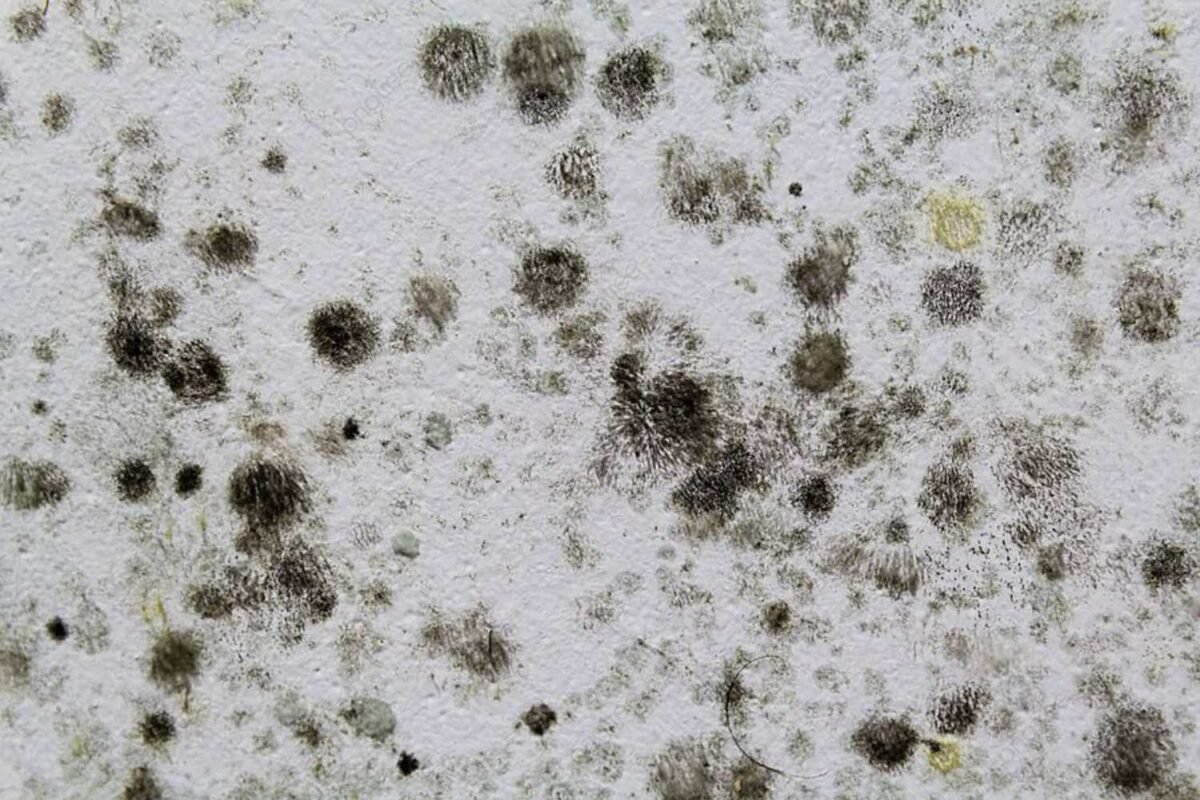
Introduction
Mould is a common problem in homes and offices, especially in humid climates like Singapore. If left untreated, it can damage your property and pose serious health risks. Understanding how to identify, treat, and prevent mould is essential for a safe and healthy environment.
What is Mould?
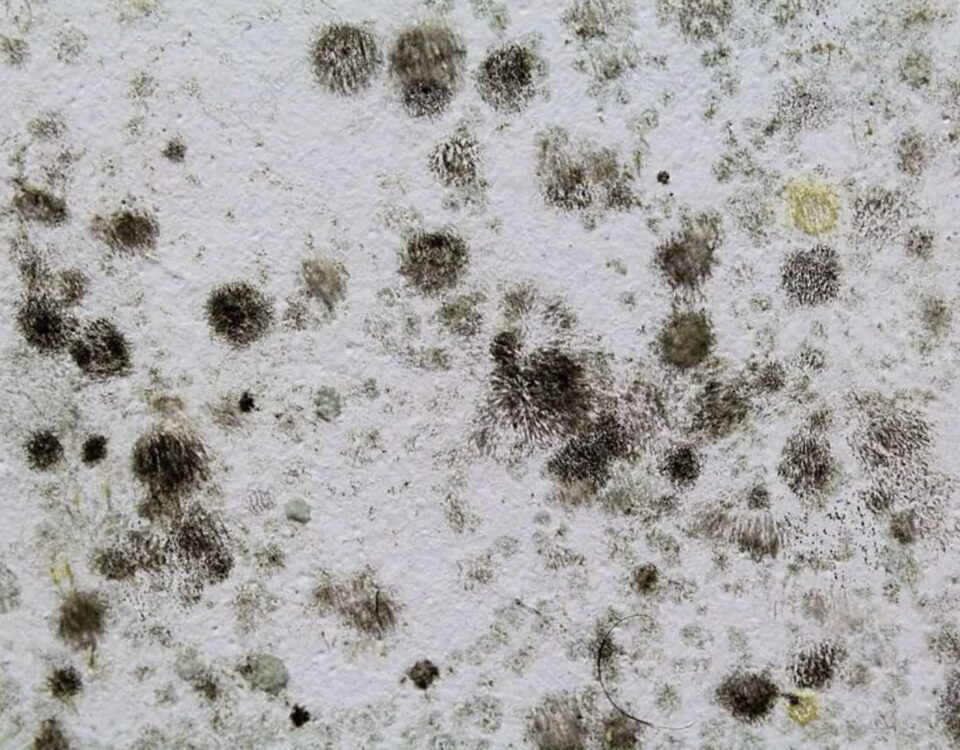
Mould is a type of fungus that grows in damp, warm, and humid conditions. It can appear as black, green, or white patches on walls, ceilings, and furniture. Mould spores are airborne and can cause respiratory issues, allergies, and skin irritation.
Types of Mould We Treat
- Black Mould (Stachybotrys): Highly toxic, commonly found in bathrooms and kitchens.
- Green Mould: Often grows on walls, wood, and damp surfaces.
- White Mould: Appears as powdery or fluffy patches, usually in hidden corners.
- Other Common Moulds: Including blue, grey, and brown types found in humid areas.
Signs of Mould Infestation
- Musty or damp smell indoors
- Visible spots or patches on walls, ceilings, or furniture
- Health issues like coughing, sneezing, or itchy eyes
- Peeling paint or wallpaper
Our Mould Treatment Services
We provide a comprehensive mould treatment service to remove, prevent, and protect your property:
- Inspection & Assessment: Identify visible and hidden mould areas.
- Mould Removal: Safe and effective removal using professional techniques.
- Prevention: Anti-mould painting and protective coatings to stop future growth.
- Follow-up Checks: Ensure the treated area remains mould-free.
Prevention Tips for Homeowners
- Keep your home well-ventilated
- Fix leaks immediately
- Use dehumidifiers in damp areas
- Clean surfaces regularly with anti-fungal solutions
- Apply anti-mould paints on walls and ceilings
Conclusion
Mould can cause significant damage and health issues if ignored. Professional mould treatment and preventive measures are essential to maintain a safe and healthy living environment. Don’t wait until the problem worsens—take action today!